“Types of boutique coffee beans” search results (1000)

Characteristics of natural fermented, mellow and insolated Ethiopian coffee varieties taste manor boutique coffee bean flavor
Ethiopia has unique natural conditions suitable for growing all imaginable varieties of coffee. As a upland crop, Ethiopian coffee beans are mainly grown in areas between 1100 and 2300 meters above sea level, roughly distributed in southern Ethiopia. Deep soil, well drained soil, weakly acidic soil, laterite and soil are soft and contain
2016-09-01 Natural fermented mellow solarization Ethiopia coffee varieties characteristics taste
Ethiopian Coffee Features Ethiopian Coffee Flavor Boutique Coffee
Ethiopian coffee beans grow in a near-natural environment. After years of cultivation under the same growing conditions, Ethiopian coffee beans have gradually adapted to the environment here. More than 60% of coffee beans are forest or semi-forest grown coffee. Coffee farming villages produce about 35 percent of the country's coffee. Many of these are used.
2016-07-27 Ethiopia Coffee Characteristics Flavor Boutique Coffee Bean Grown in
Coffee producing area African boutique coffee Ethiopia
Ethiopia Coffee in Africa the full name of Ethiopia Federal Democratic Republic (formerly known as Abyssinia) is a country located in northeast Africa. English name: The Federal Democratic Republic of Ethiopia, Ethiopia is the country of origin and hometown of coffee. The most famous coffee beans in Ethiopia are Yega Xuefei.
2014-09-17 African boutique coffee Ethiopian coffee beans
The producing countries of high-quality coffee beans introduce the types of coffee beans
Blue Mountains-named after mountains, native to Jamaica in the West Indies, grown between 1000 and 2500 meters above sea level. Features: large particles, good quality, taste blending, sweet, sour, bitter three natural balance and fragrance, is recognized as the world's best coffee.
2015-05-14 Boutique coffee beans country of production introduction species Blue Mountain
A large collection of coffee types
Coffee type 1, Blue Mountain coffee: sour, sweet, bitter are very harmonious and have excellent flavor and aroma, suitable for single coffee, should be moderately baked. Cuban Coffee: Cuba's famous Cubita Crystal Mountain is represented by the principle of making perfect coffee. Crystal Mountain and Jamaica's Blue Mountains adjacent geographical location, similar climatic conditions, comparable to Jamaica Blue Mountains
2014-08-12 Coffee Type Boutique Coffee Single Origin Coffee
The types and characteristics of high-quality coffee beans introduction of individual coffee beans
Blue Mountain Coffee, Manning Coffee, Italian Coffee. You must often hear that these belong to the category of individual coffee, which usually refers to coffee extracted from the original coffee beans, with a pure taste, strong variety characteristics, and a special taste: or fresh and soft, or mellow and smooth. Usually in order to maximize the mellow aroma of single coffee, usually not added when quoted
2016-05-04 Boutique single product coffee beans category characteristics introduction Blue Mountain coffee Mante Italian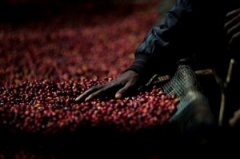
The hometown of African coffee Ethiopian boutique coffee beans
Ethiopia Coffee producing area: the full name of the Federal Democratic Republic of Ethiopia (formerly known as Abyssinia) is a country located in northeast Africa. English name: The Federal Democratic Republic of Ethiopia, Ethiopia is the country of origin and hometown of coffee. The most famous coffee beans in Ethiopia are Yega Xuefei and Harald.
2014-09-18 African coffee beans Ethiopian boutique coffee beans
Ethiopian Coffee Manor Flavor Taste introduces Ethiopian boutique coffee beans
Sustainable coffee culture Ethiopian coffee beans grow in close to the natural environment, after years of planting under the same growth conditions, Ethiopian coffee beans have gradually adapted to the environment here. More than 60% of coffee beans are grown in forests or semi-forests. The villages that grow coffee in large areas account for about the total amount of coffee produced in the country.
2016-08-04 Ethiopia coffee manor producing area flavor taste introduction boutique coffee beans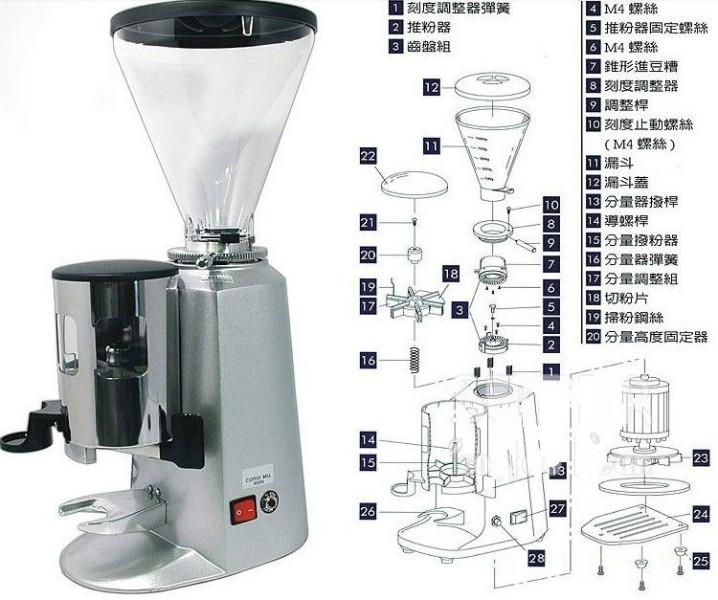
Coffee grinder what are the types of bean grinder how to choose bean grinder ghost teeth, flat knife, cone knife
Know the bean grinder with the domestic expansion of Starbucks, COSTA and other fast-vanishing coffee chains. Let more and more Chinese people slowly change the imported drink of coffee from fashion consumption to living habits. Driven by a small number of domestic boutique coffee shops and roasters. More and more coffee drinkers are beginning to find that Starbucks and COSTA chains produce FMCG stores.
2016-03-02 Coffee bean grinder which type how choice ghost tooth flat knife cone knife understanding
Introduction to the characteristics of Sidamo Shakiso boutique coffee flavor and taste manor
The coffee in Sidamo has a variety of flavors. Different soil types, microclimates and countless native coffee species, towering mountains, highlands, plateaus, valleys and plains, diverse topography, and the geology of the area belongs to nutrient-rich, well-drained volcanic soil. the depth of the soil is nearly two meters, and the surface soil is dark brown or brown. The biggest advantage of the place is that
2016-08-23 Aftertaste endless Dharma Shaquiso boutique coffee flavor taste manor production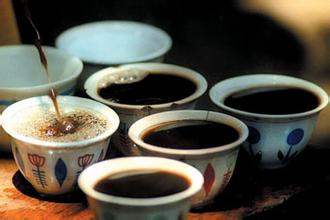
Ethiopia Coffee Coffee
Ethiopia's Yirgacheffe coffee is petite, but gentle and sweet. As the home of coffee, Ethiopia's millennia of growing and processing traditions have resulted in high-quality washed Arabica beans. Light baked with unique lemon, floral and honey sweet aromas, soft fruit acids and citrus notes, fresh and bright taste. not
2015-12-23 Ethiopia Coffee Boutique Latest Introduction Information Yega
Types and characteristics of Bolivian coffee beans
In the past, coffee trees in Bolivia used to act as hedges and ornaments around the garden. Real commercial production began in the early 1950s. The great frost of 1957 seriously damaged Brazil's coffee industry, while Bolivia (Bolivia) benefited from it and developed rapidly. Bolivian coffee is grown at an altitude of 180,670 meters above sea level.
2016-06-08 Bolivia coffee beans class and characteristics past coffee tree common species
Basic knowledge of coffee types of high-quality coffee roaster
The roaster is mainly divided into four types: direct fire type, semi-hot air direct fire type, hot air type and electric type. 1. Direct fire is the earliest baking tool, that is, the raw beans are roasted by fire and then transferred to the drum. The built-in motor keeps running the drum and stirring the coffee beans in the drum, trying to make each coffee bean come into contact with the hot iron evenly to achieve the goal of balanced roasting.
2015-01-09 Coffee basics common sense boutique roaster type mainly divided into 4
Introduction of Ten types of defective beans in the Common sense of Fine Coffee
Before selecting defective beans, raw beans need to be screened in order to make the beans uniform in size. You can use three different sizes of special custom screen, or you can use the metal screen sold in general horticultural shops, but pay attention to the size. The purpose of sieving is to separate the size of beans and remove impurities. The next step is hand-selected. In order to improve the efficiency of hand selection, some props must be used, including
2015-04-17 Boutique coffee common sense top ten defects types introduction
Ethiopian Yega Sheffivoka Coffee Flavor description introduction to the taste of fine coffee beans in the producing area
Located in the most advantaged natural conditions, Ethiopia produces unique high-quality coffee every year. Ethiopia's coffee growing cycle brings the joy of harvest to the country every year. Beautiful white coffee flowers will bloom and bear fruit every year from March to April. Only the reddest and ripe fruits will be selected between September and December.
2016-09-27 Ethiopia Yega Sheffield Waka Coffee Flavor description producing area boutique
Boutique Coffee Santos Coffee latest introduction to Brazilian Coffee
Brazilian coffee generally refers to coffee produced in Brazil. There is a wide variety of Brazilian coffee, the vast majority of which are unwashed and sun-dried, classified according to the name of the state of origin and the port of transport. Brazil has 21 states and 17 states produce coffee, but four of them produce the largest, accounting for 98% of the country's total output. Brazilian coffee has a low sour taste, which goes well with coffee.
2015-12-05 Boutique coffee dos Brazil the latest introduction generally refers to produced in
Coffee's "pedigree theory" boutique coffee beans
The pedigree of coffee is the same as that of red wine. The quality of coffee has a lot to do with its origin. The most famous coffee producing areas are as follows: Brazil's largest coffee producing area. One of the most famous is Sandos coffee, it tastes mellow, neutral, can be boiled directly, or mixed with other types of coffee beans, is also a good choice. Other types of Brazilian coffee such as Rio,
2015-06-04 coffee pedigree fine coffee beans red wine same good or bad yield
The birth process of boutique coffee
A good cup of coffee comes from small coffee beans, after a long time and many elaborate craftsmanship, and integrated into the efforts of countless people to achieve, it can be said that cups are not easy to come by. There are seven decisive factors for the quality of a cup of coffee. The first three depend on the variety of the farmer who grows the coffee beans, the origin of the coffee, and the method of growing the coffee, which is called determining the quality of the coffee.
2014-12-28 Boutique coffee birth process one cup good from small
Boutique Coffee introduced by Manors in Sidamo Coffee Bean producing area of Ethiopia
Due to different planting methods, coffee can be divided into three types: forest-semi-forest coffee (Forest or semi-forest coffee), courtyard coffee (Garden coffee) and plantation coffee (Plantation coffee). 60% of the coffee belongs to forest-semi-forest coffee. In such a wild coffee forest, pesticides are not used at all, but biological methods are used to control pests. thirty-five
2016-07-01 Ethiopia Dharma coffee beans producing areas manors introductions boutique coffee due to
African Kenyan coffee producers introduce boutique coffee
There are two types of coffee farms in Kenya. one is a large planting farm that covers an area of more than five acres, but the average elevation is low. In the case of Kenyan coffee, the coffee beans of the large farms are of medium quality. The best Kenya beans are produced in small farms, most of which are located in the foothills or volcanic slopes above 5,000 to 6,000 feet. Each small farmer has a capacity of only 20 to 70 bags per season and is unable to invest.
2016-06-30 Africa Kenya coffee producing country introduction boutique